Farming for the Future
The New Gold Rush
When you order farm-raised shrimp at a restaurant or purchase them at a grocery store, do you often think about where they came from? Traditional shrimp farming is a $40 billion industry that supplies nearly 55% of the world’s shrimp market, making shrimp more accessible to meet the rising global demand. In Indonesia, it is referred to by our partners as “the new gold rush” and like the gold rush, it comes with lasting consequences for nature and people.
“The world needs to eat.”
“We need aquaculture for food security, whether we like it or not. The world needs to eat. So we need to work with companies that have the vision to become sustainable.” Aki Baihaki, YKAN
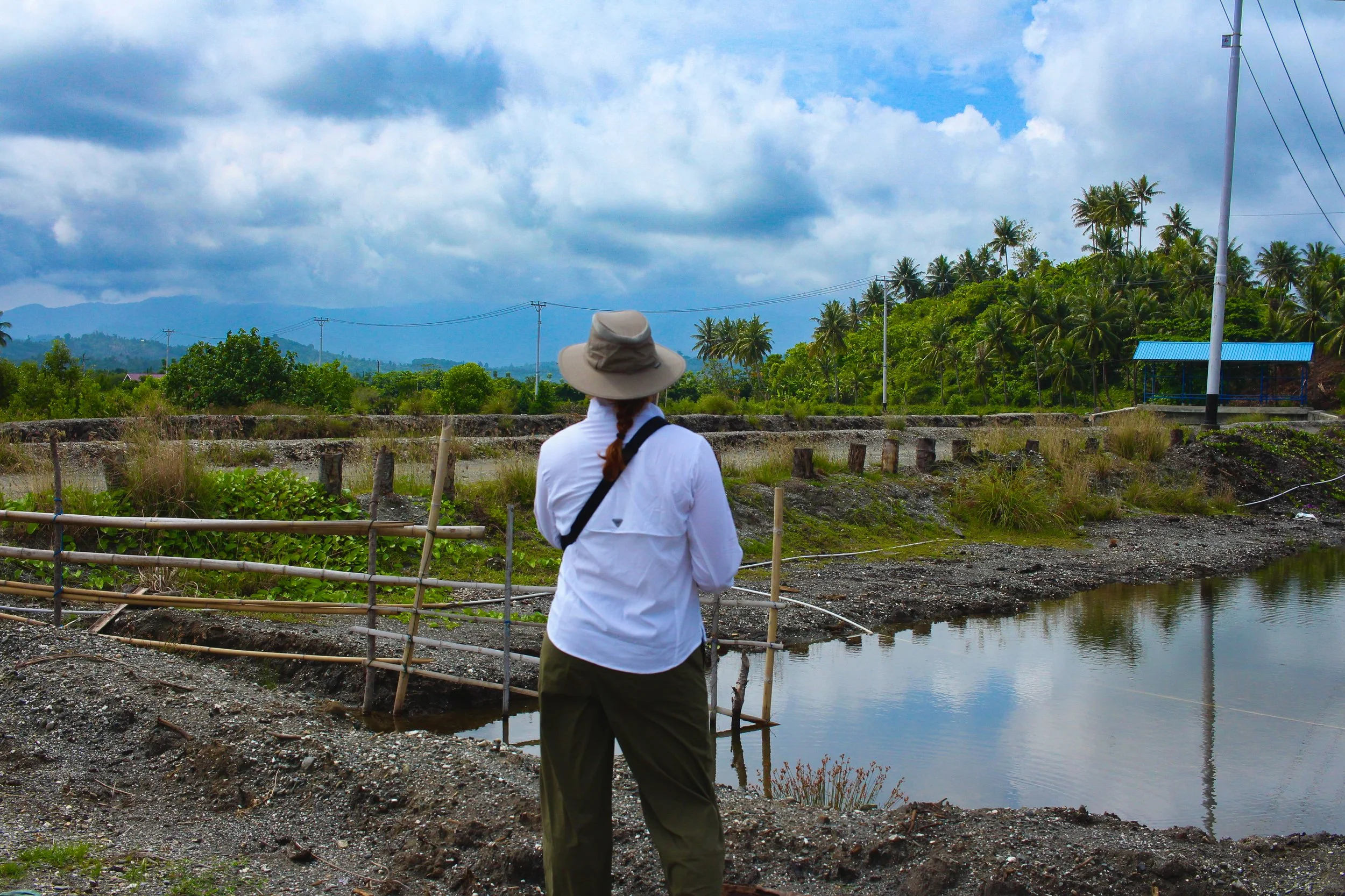
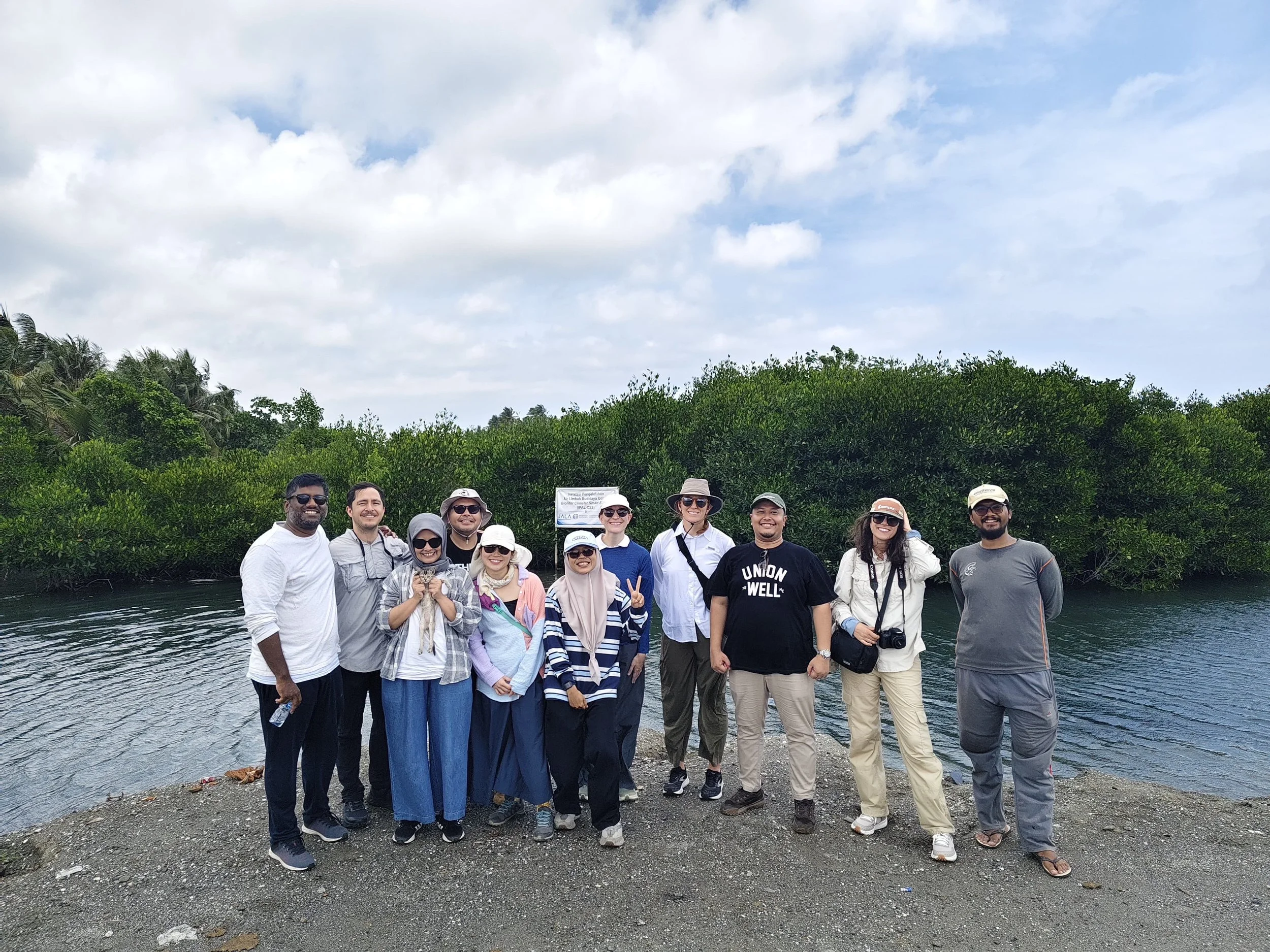
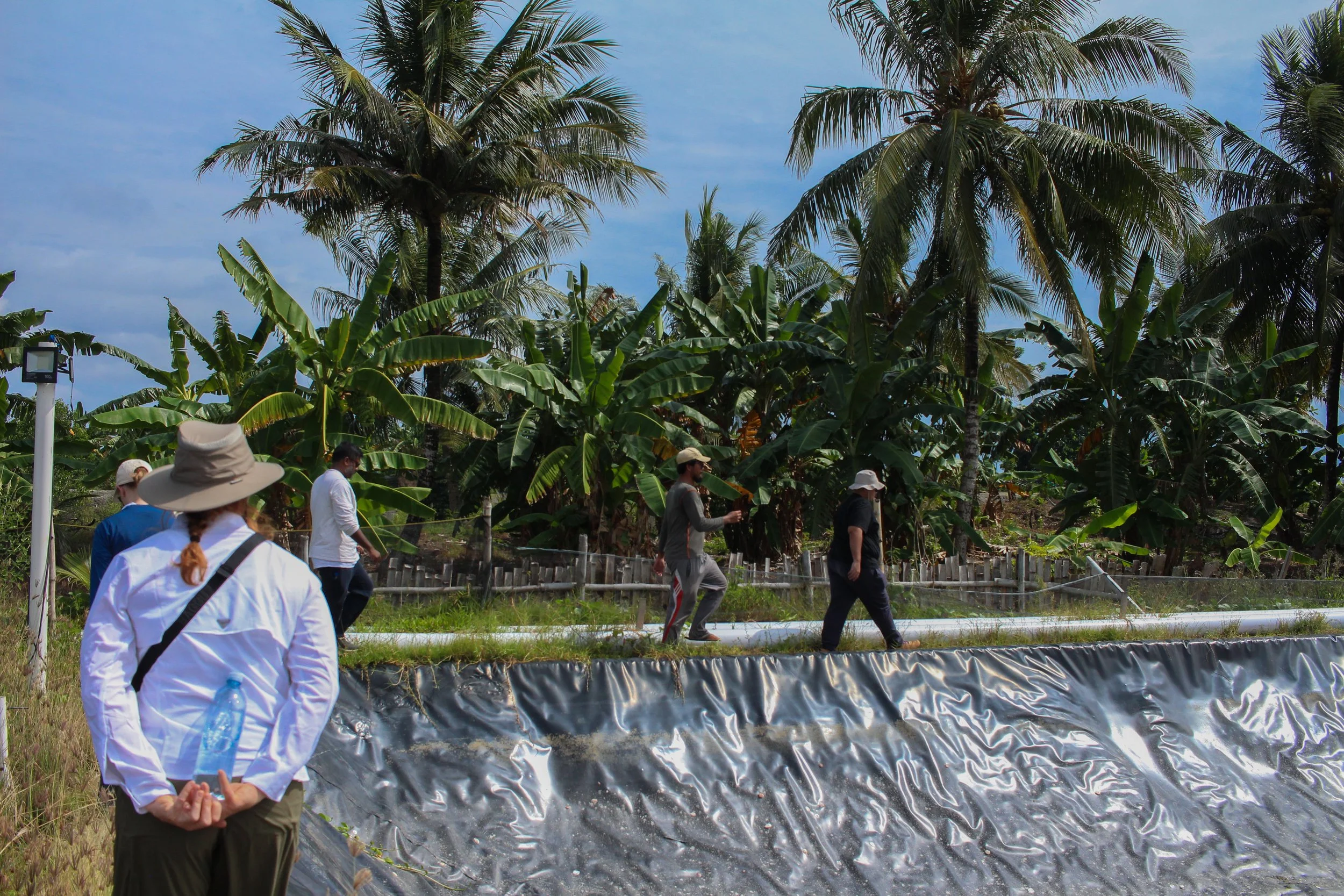
Last week, the BC+ team visited two partners at our Mangrove Positive Shrimp Big Bet project sites in Indonesia, one of the top five largest global suppliers and exporters of farm-raised shrimp.
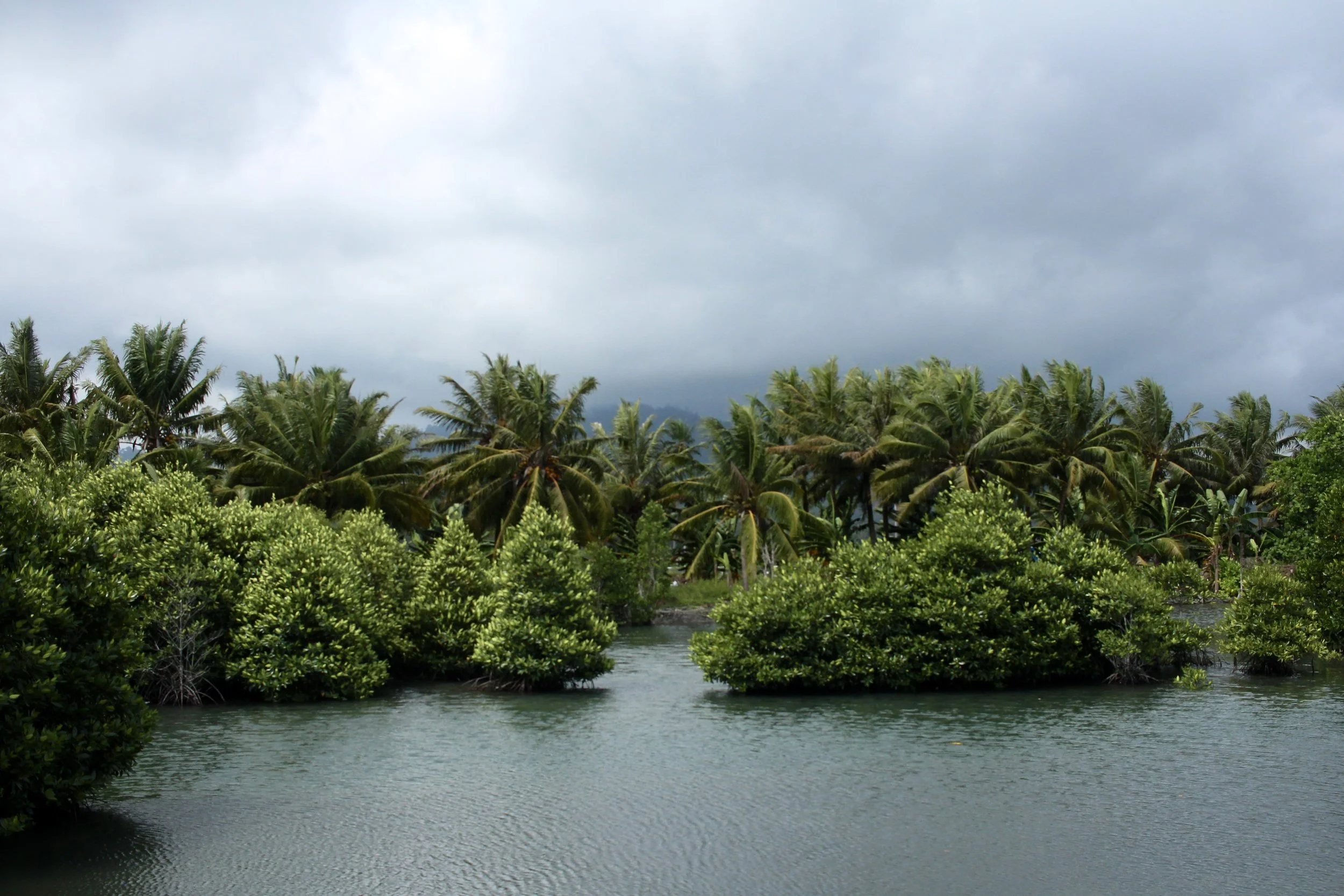
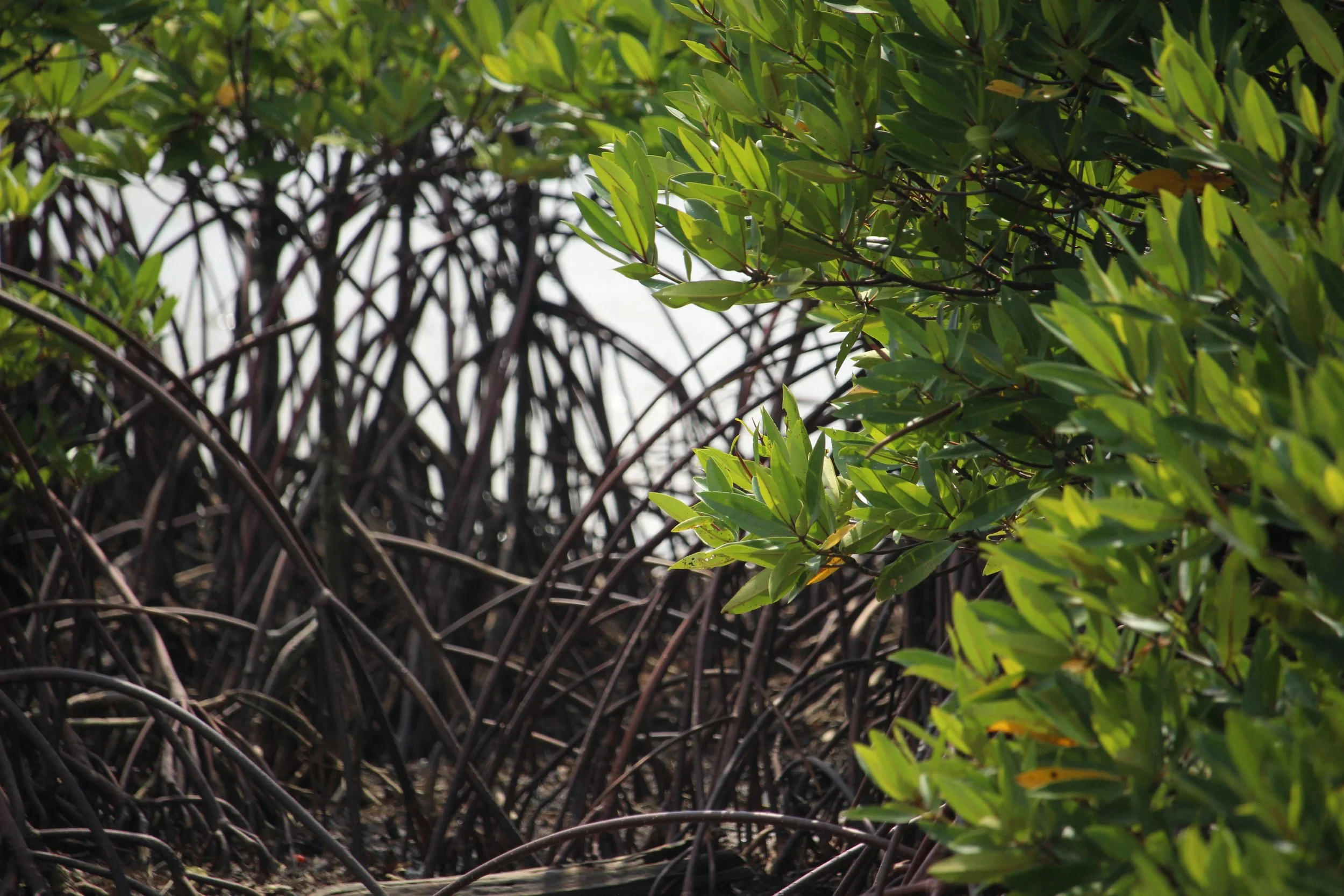
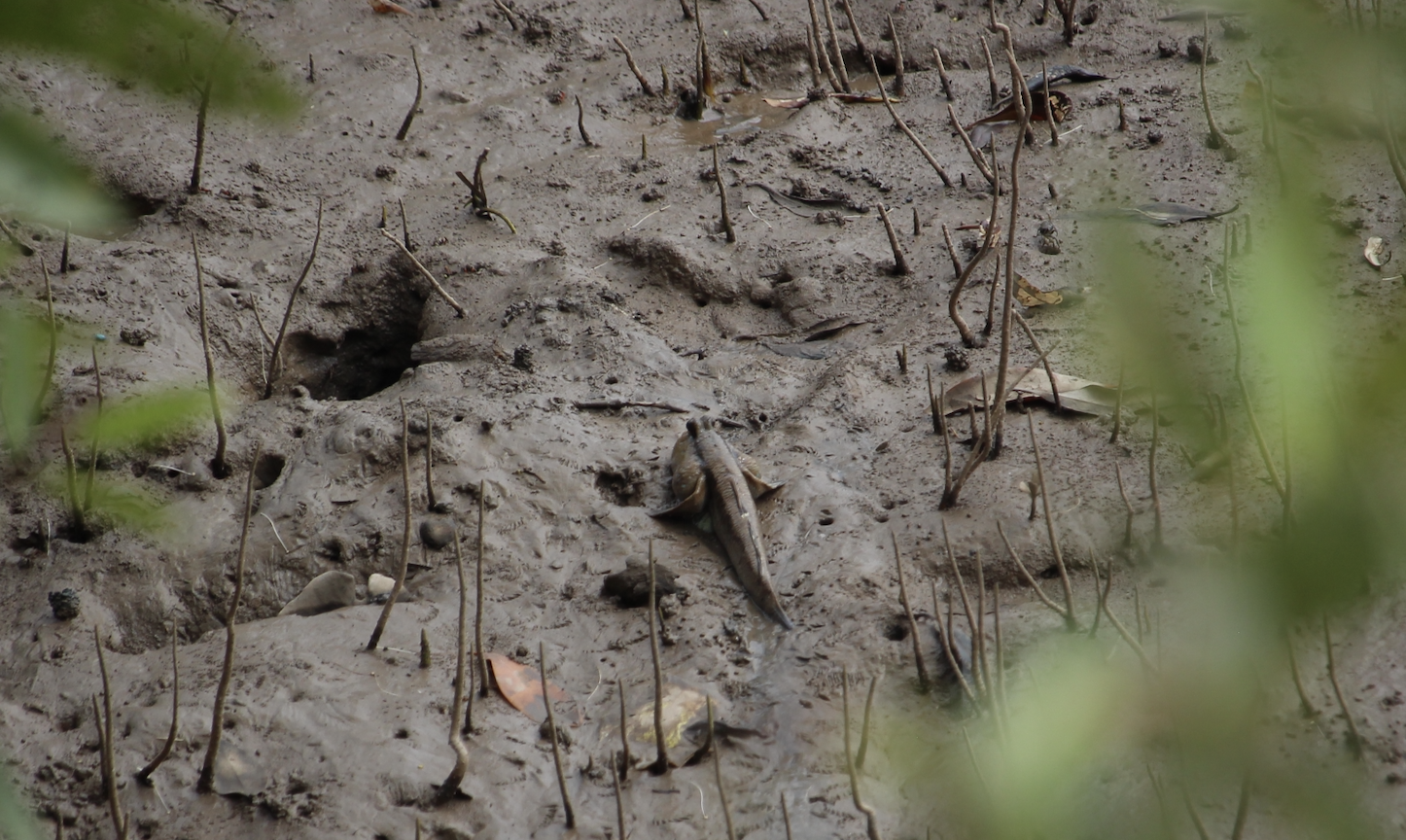
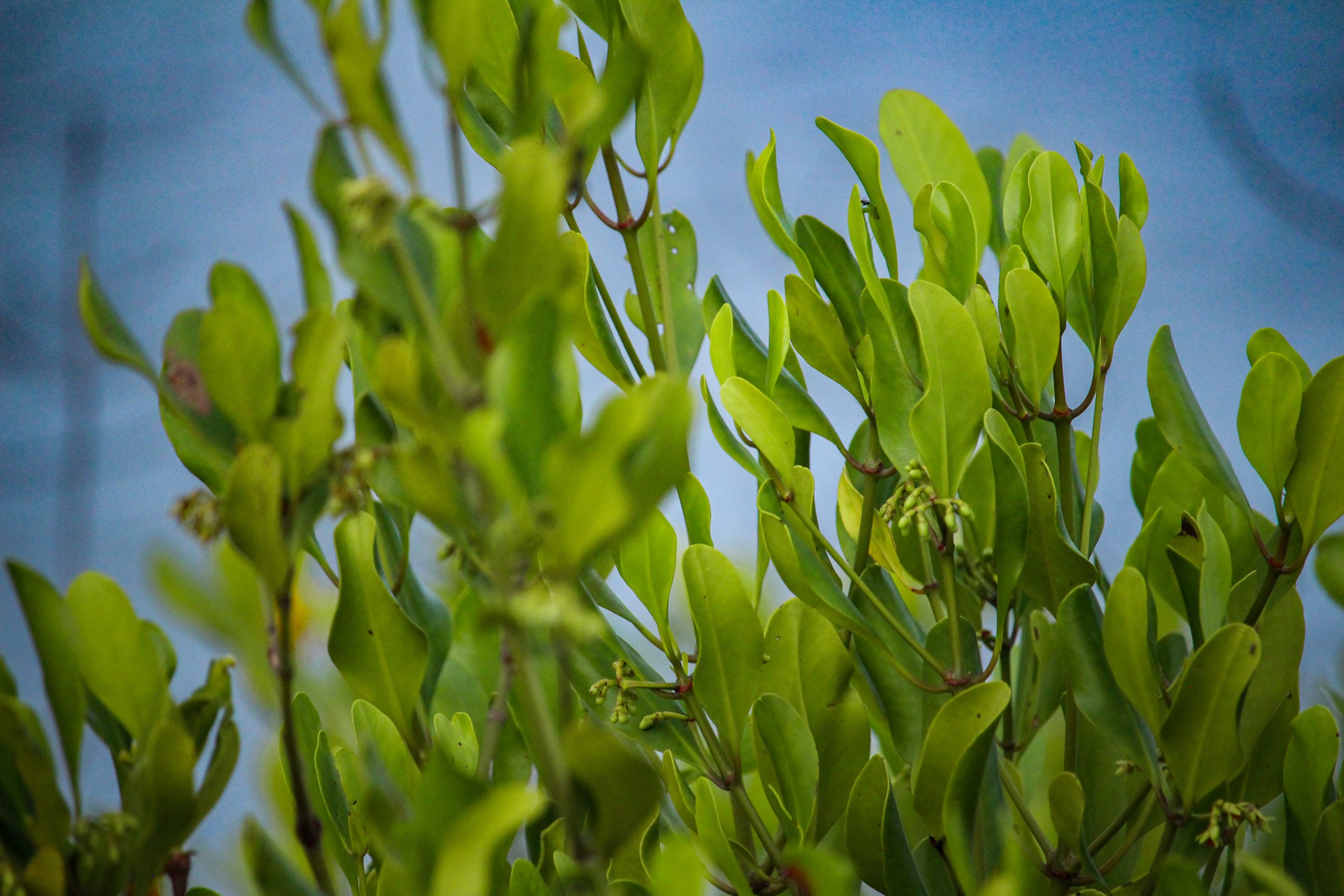
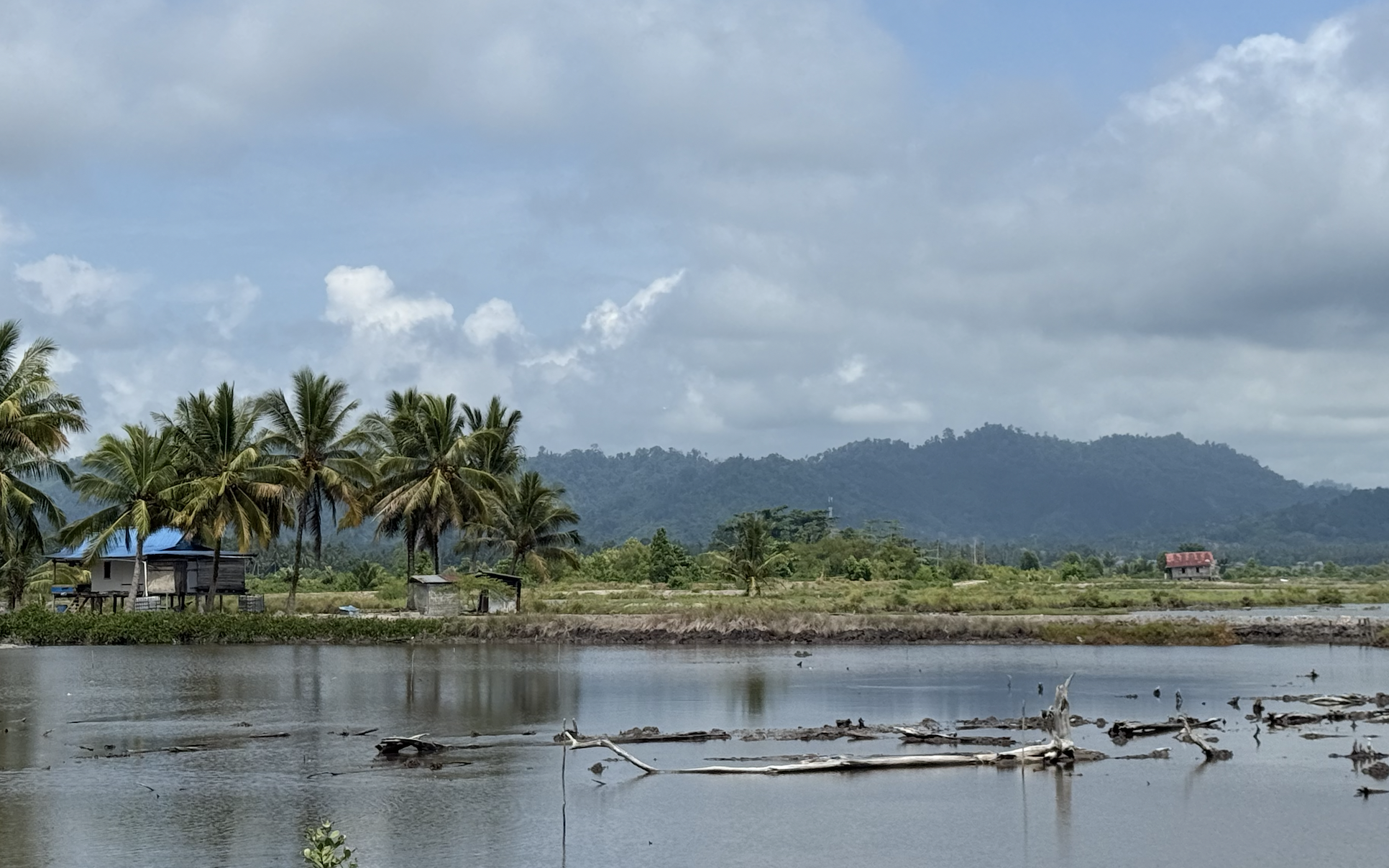
Indonesia is known for being home to some of the most blue carbon rich ecosystems in the world. It holds 20% of global mangrove coverage alone. A less-known fact is that shrimp aquaculture continues to be a primary driver of mangrove deforestation in the country and has caused the loss of roughly 40% of mangrove coverage over the last 50 years.
Changing Tides
Our Mangrove Positive Shrimp Big Bet aims to reverse this historical narrative, providing a pathway for nature-positive businesses that economically benefit local communities while protecting mangroves and the services they provide.
“The goal is to produce more shrimp, generate increased profits and incomes for communities, and restore those mangroves that were lost.” Dane Klinger, BC+ Aquaculture Lead
Work in Action
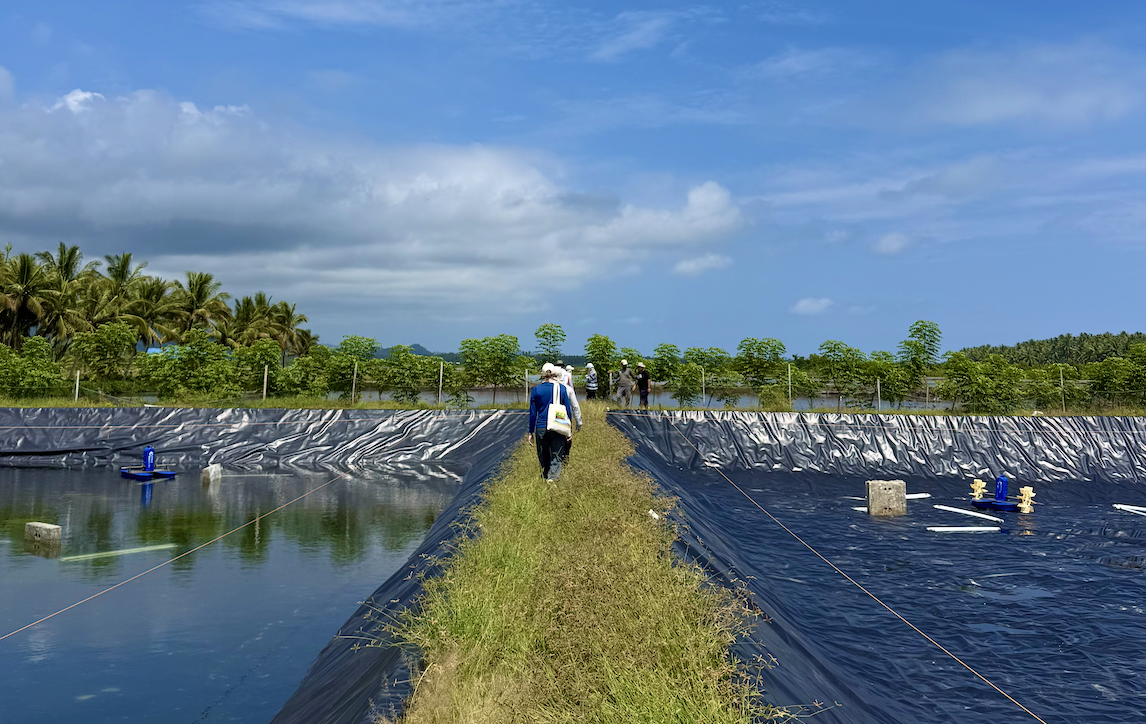
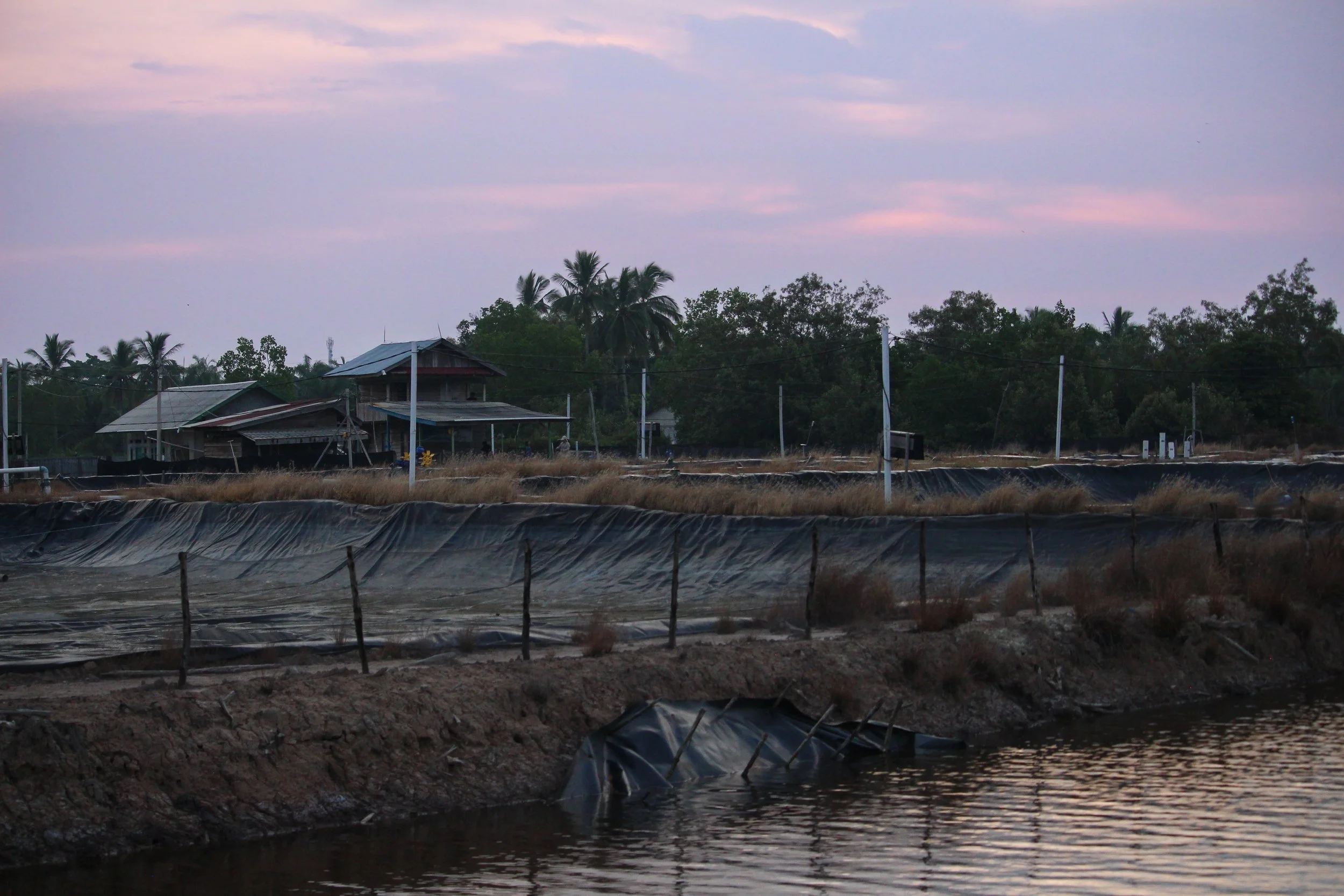
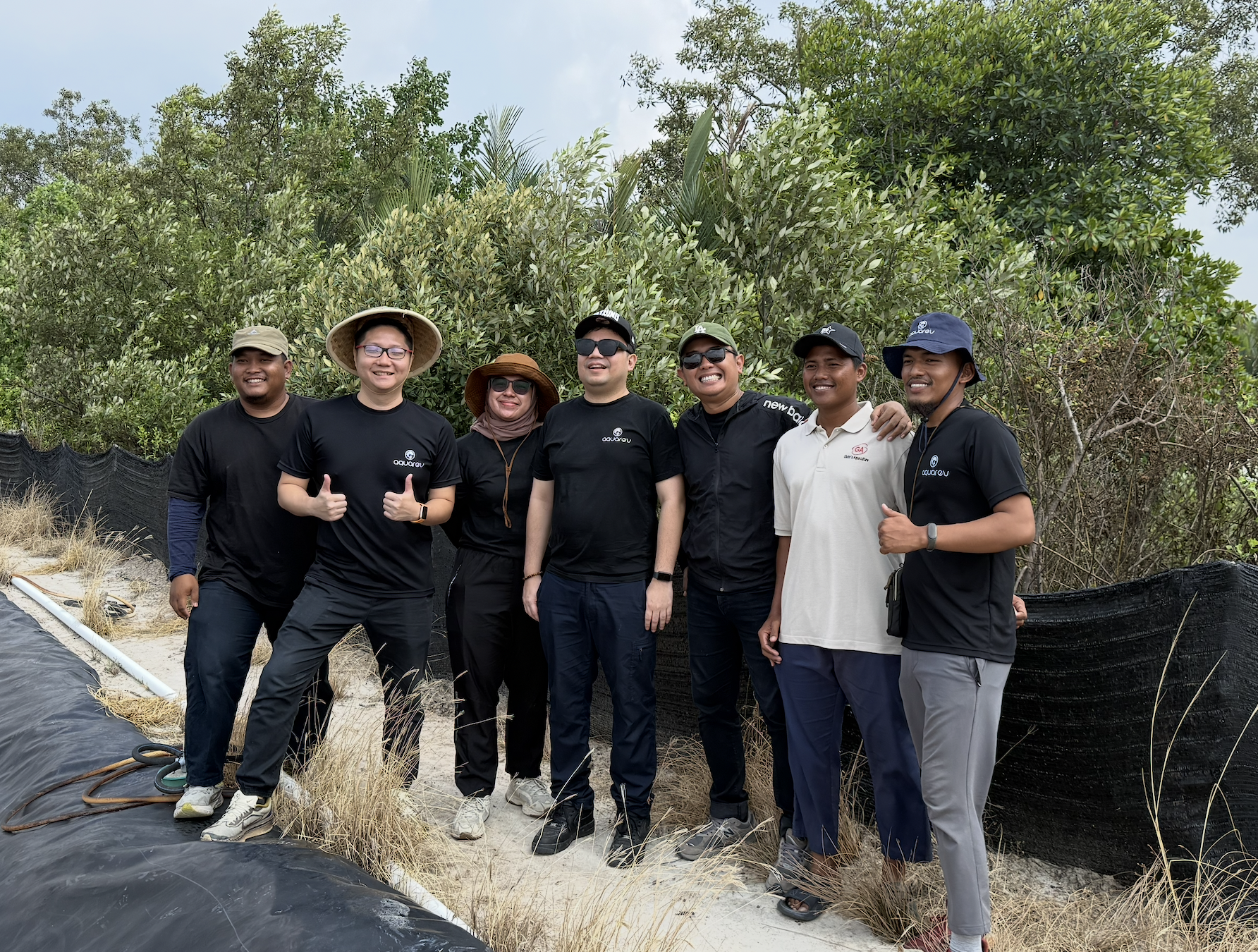
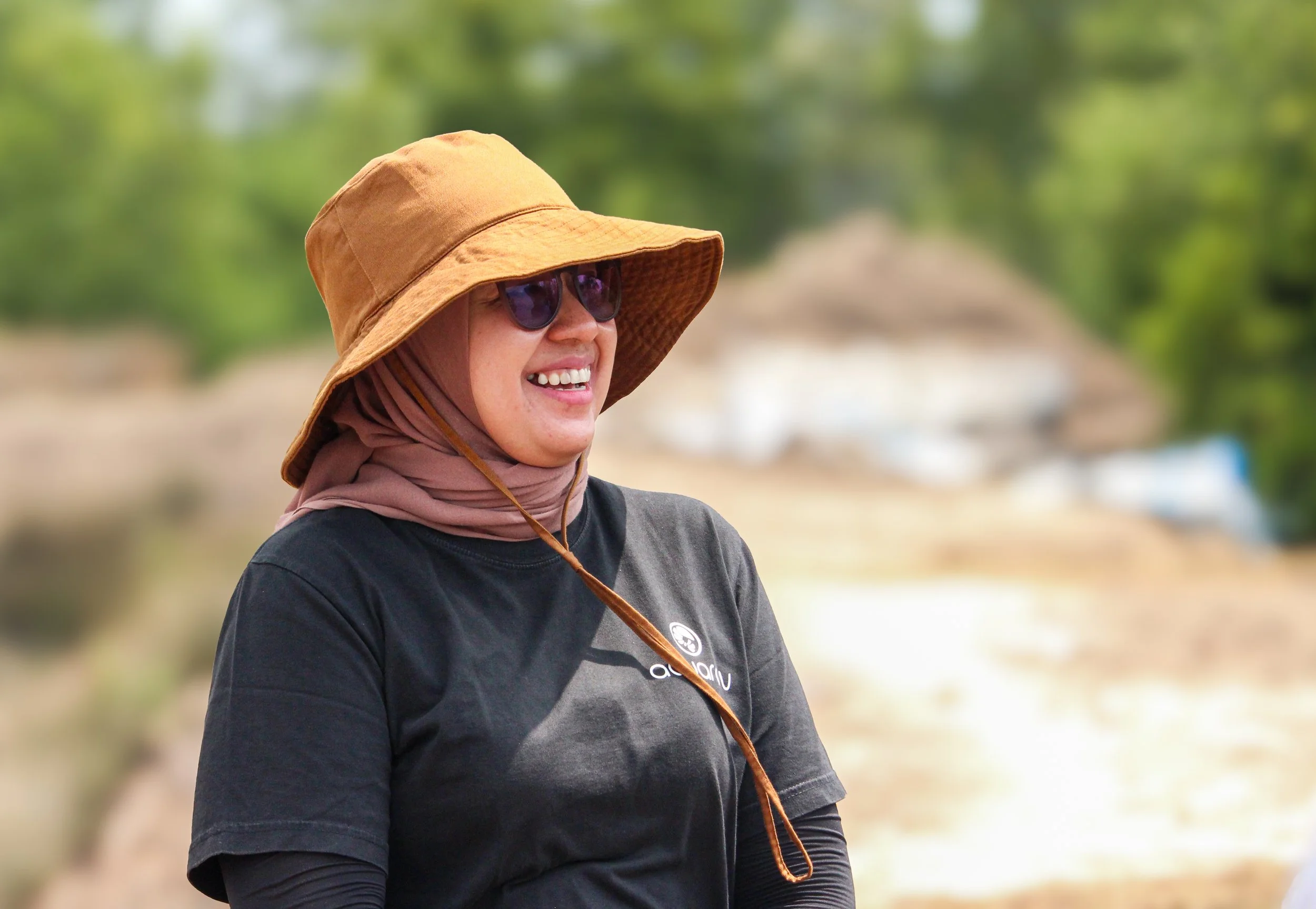
We visited sites across Indonesia where our current partners Aquarev and JALA are working alongside smallholder farmers to integrate mangrove restoration into their shrimp aquaculture business models. Their goal is to make healthy mangroves essential to their success and productivity.
Both partners have bold plans to turn a historically deforestation heavy shrimp aquaculture model into one that relies on environmental protection.
Aquarev provides technical guidance, supporting farmers to renovate their shrimp farming facilities in a way that improves their productivity. They use mangroves as a buffer against sea level erosions, storms, and other climate risk. With their support, the smallholder farmers have less land to manage and more efficient methods, which increases their profits.
Marvin, the CEO of Aquarev, emphasizes how the model changes the game. “I am passionate about making something that generates revenue and profit by factoring in the people, the planet, the environment.” They do so by offering profit sharing and more flexible repayment terms for the farmers, tied to harvesting.
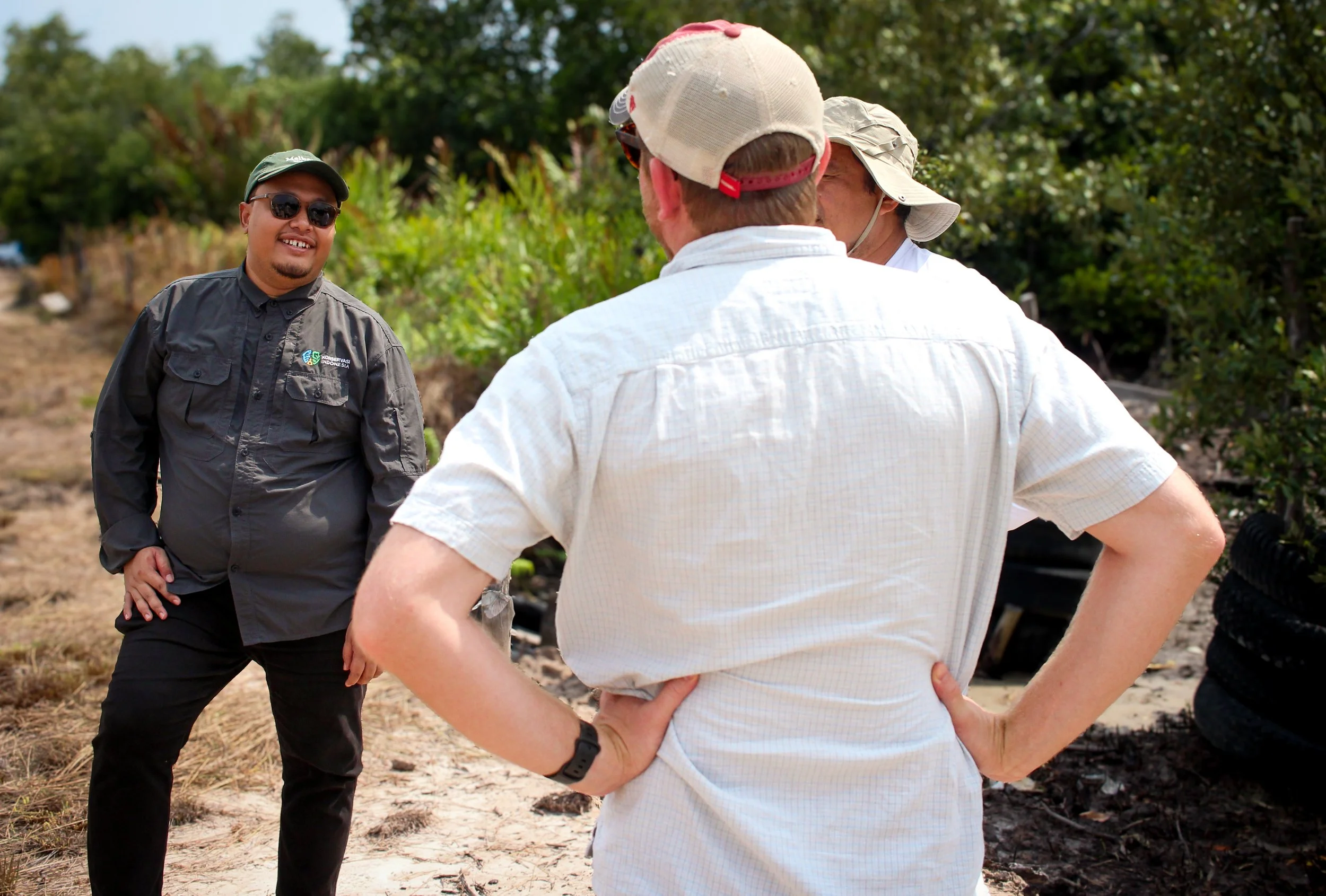
“What we love about Aquarev is that their business models provide what is actually needed in the industry.” Reza Faturrahman, KI
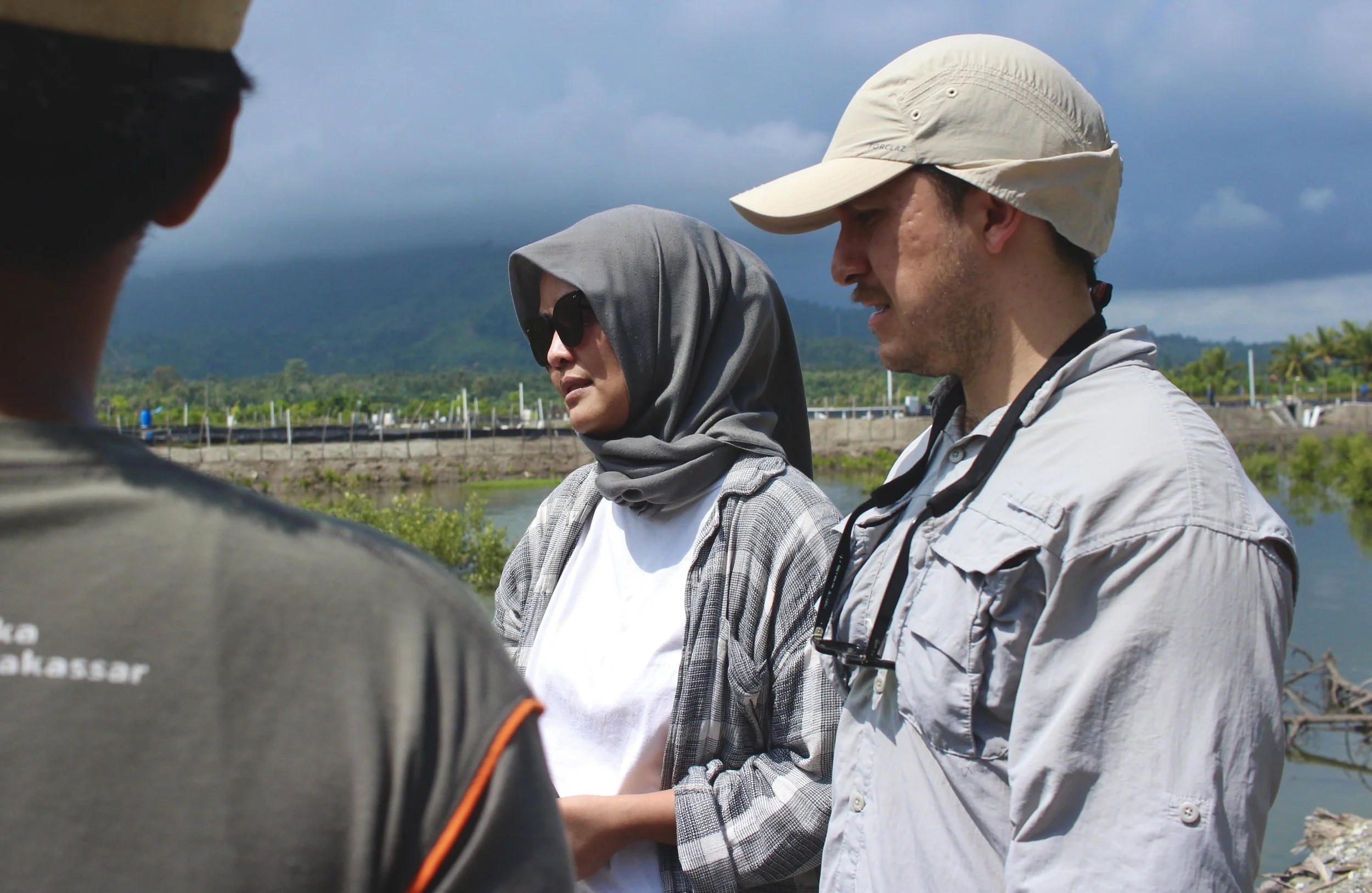
Seeking to create a shrimp industry that is fairer and more trusted, JALA builds climate-smart shrimp farms that increase productivity, while dedicating 50% of their productive land to mangrove rehabilitation, using the mangroves as a natural biofilter for effluent treatment. Farmers are provided with predictions on productivity, profitability, and technical cultivation to help plan a successful harvest. Farmers also have access to a water quality monitoring tool.
Aryo, the Chairman of JALA, describes the model as a “win-win solution. We can improve the environmental sustainability and we can improve the productivity and economic sustainability for the community.”
“These business models and our partners are innovators and a catalyst for change within this sector, trying to bring about a mangrove positive dimension to shrimp aquaculture,” Kiran Mohanan, BC+ Program Director
A Critical Moment
In Indonesia, the government has an ambition to grow the shrimp aquaculture sector by 250%, while committing at the same time to restore hundreds of thousands of hectares of mangroves. These two local partners have business models that, if scaled, could achieve both of those national ambitions at the same time.
In the next three years, we aim to drive change at the sector level, bringing on new partners and scaling the model. By investing in businesses like JALA and Aquarev, we demonstrate how nature-positive businesses can improve productivity and benefit nature while increasing profits.
“With BC + funding, support and technical assistance, we can work together to help businesses make a profit and have a more positive impact on the environment. Once we have a proven model for any of these business models, we can replicate that anywhere, not only in Indonesia, but across the globe.” Aki Baihaki, YKAN